By Nick Flaherty www.flaherty.co.uk
All the latest quantum computer articles
See the latest stories on quantum computing from eeNews Europe
Monday, August 06, 2018
Power news this week
By Nick Flaherty www.flaherty.co.uk
mbed survey shows growth in modules, LoRa and full stack embedded development
By Nick Flaherty www.flaherty.co.uk
Mbed has run its second annual Developer Survey, giving it the ability to compare data to the year before: which technology is gaining in popularity, how many developers have started production and which market segments are trending, says Jan Jongboom,Developer Evangelist IoT at mbed sponsor Arm.
This year’s survey had over 2,300 respondents, highlighting the role of embedded developers across the whole stack, and the challenges they face.
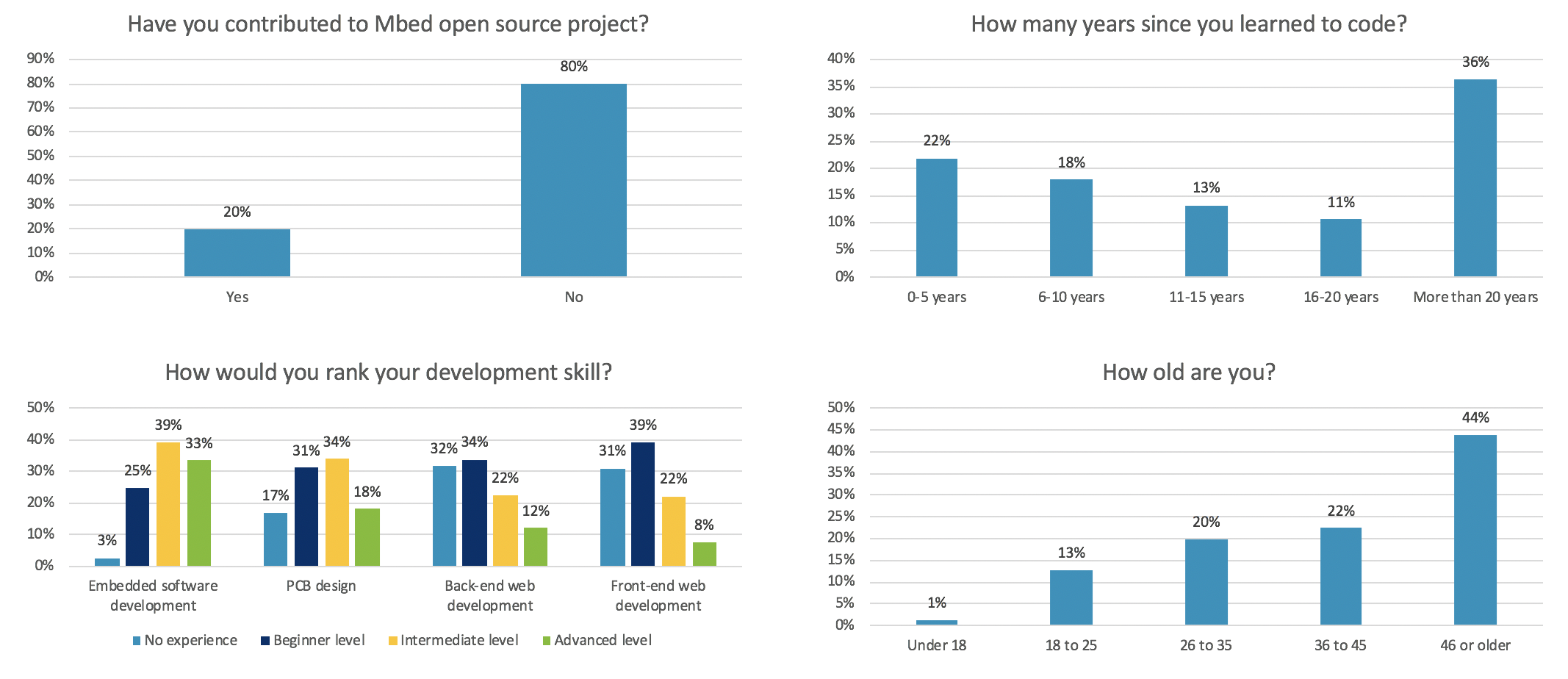
Embedded development is a tough skill to master: from quirky peripherals to manual memory management, trying to squeeze the last bit of performance out of a microcontroller and saving another 20 cents in the bill of materials (BOM) requires experience. 60% of Mbed developers have over 10 years of experience, and almost half the respondents are over 46.
The full-stack embedded developer seems to be upcoming, with 30% of developers indicating that they can do both sides of an IoT product: both embedded and web.

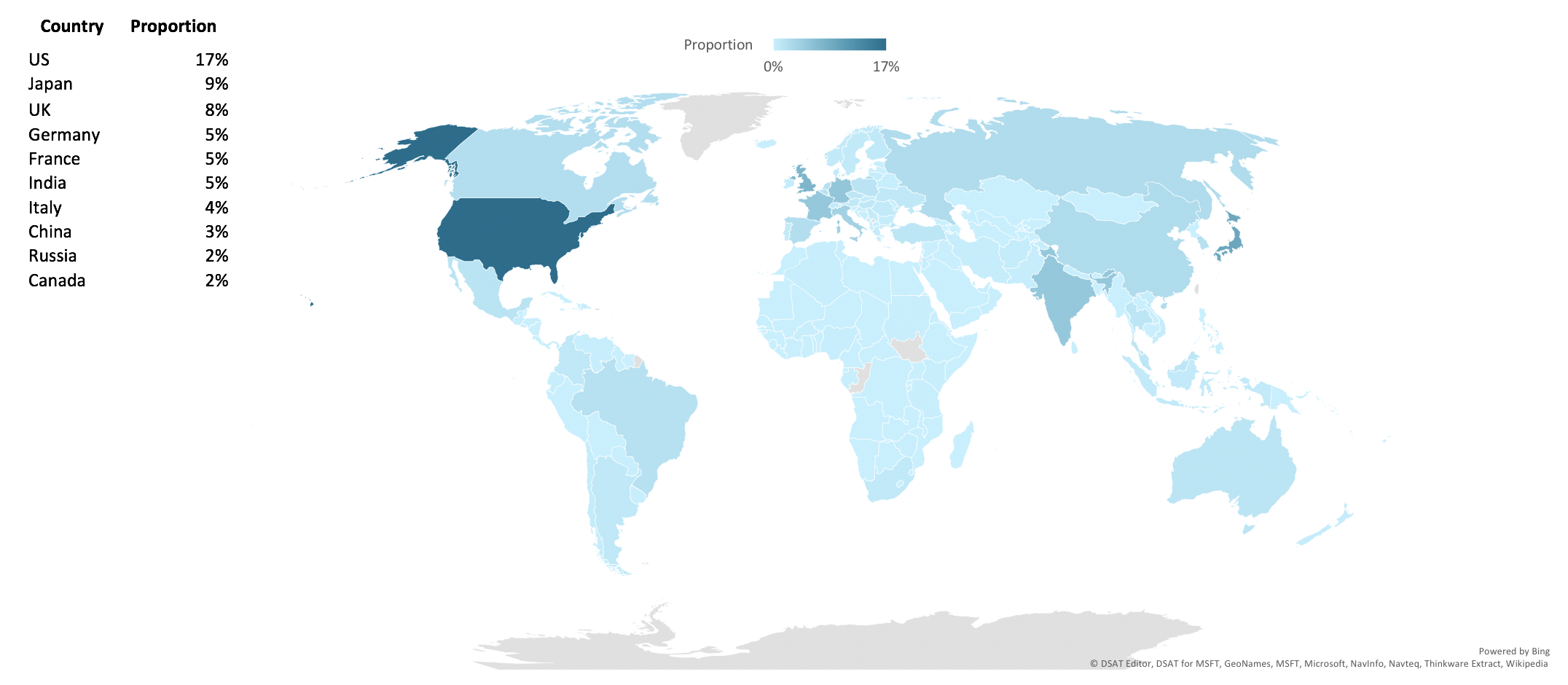
Japan has always been one of the strongest markets for Mbed, but it also sees many developers from the US, UK, Germany, France and India. It's also interesting to see that the results are well balanced between Asia, Europe and North America. However the survey results are skewed toward English speaking countries, probably because the survey was in English.

What are they using?
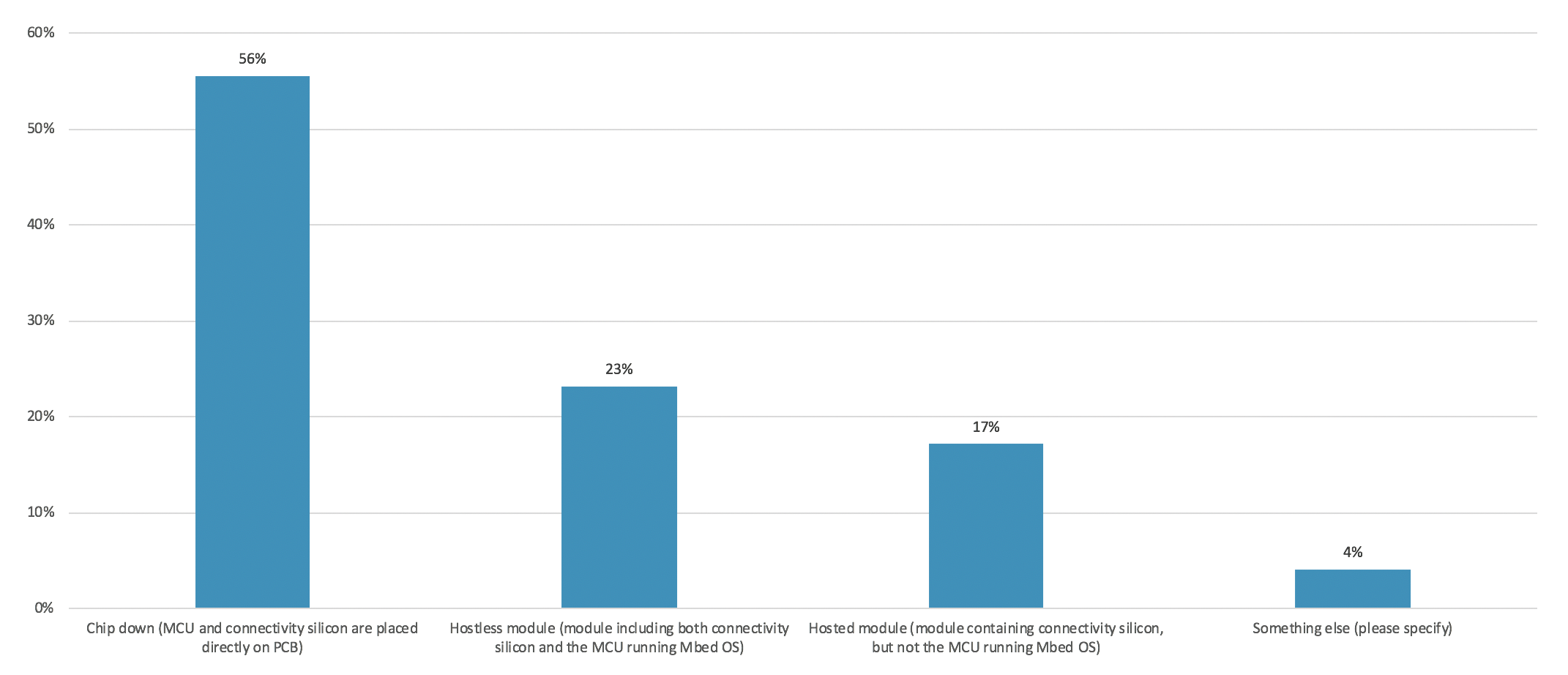
2018 saw a big increase of supported modules in Mbed. Modules drastically shorten the time to market, reduce cost in smaller production runs and can save time by having precertified RF. This trend shows up in survey with 40% of developers incorporating a module in their design.

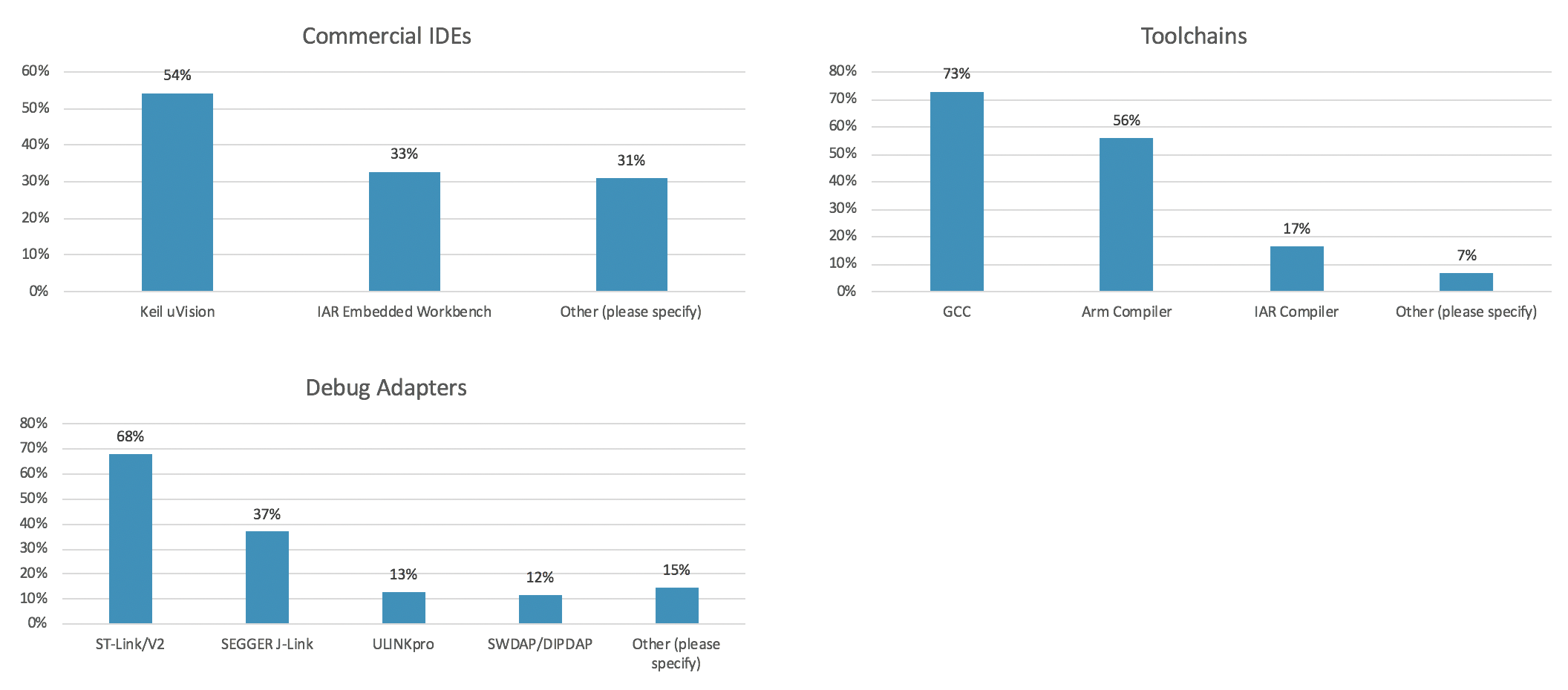
The Arm Mbed Online Compiler is what draws most people into Mbed, but after initial prototyping, most professional developers move their project to their favorite IDE. Keil uVision is the most used IDE among developers, but the high use of GCC over commercial compilers stands out. J-Link is used more than ULINKpro, but Mbed's own open-source SWDAP debugging probe is increasing in popularity.

Connectivity types
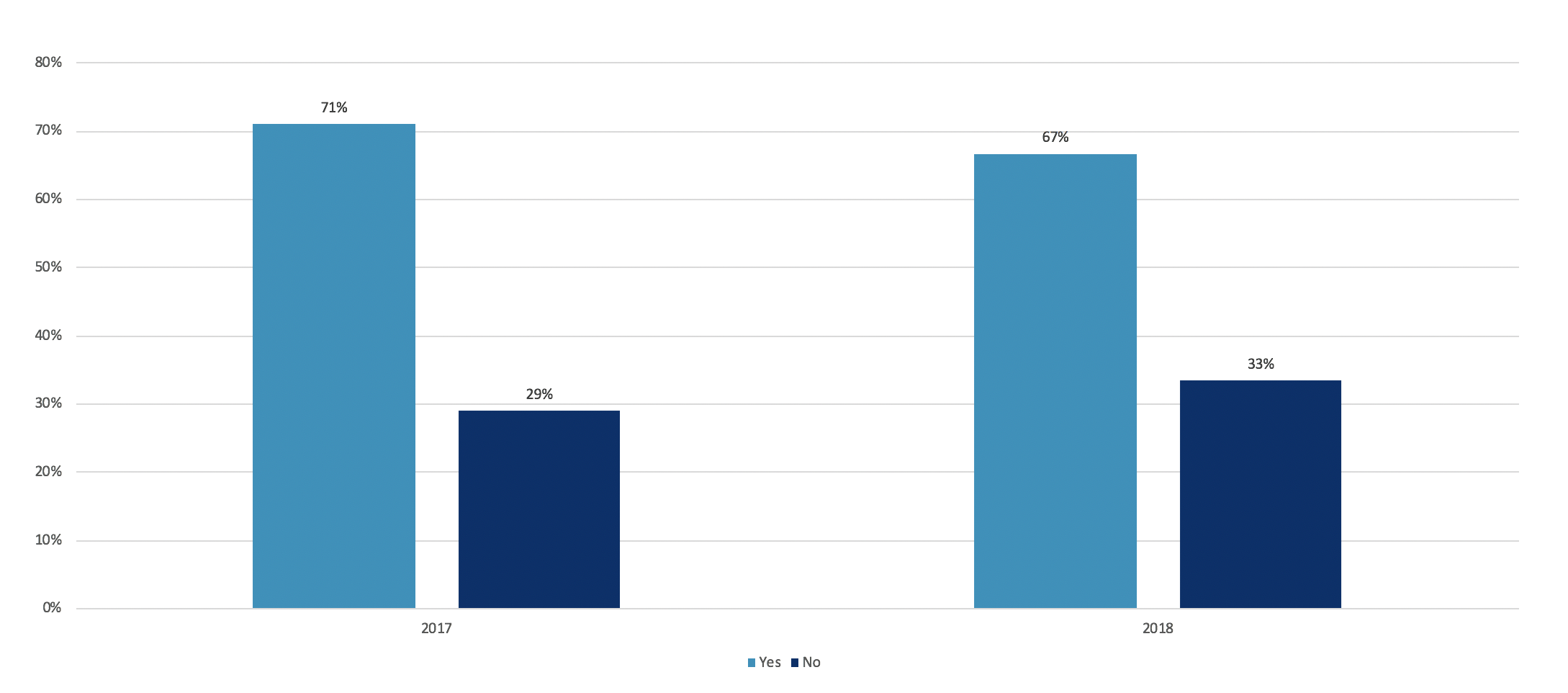
Embedded news is all about IoT, but about 30% of embedded devices still have no connectivity method. That number has increased from 29% to 33%, though it's difficult to draw conclusions.

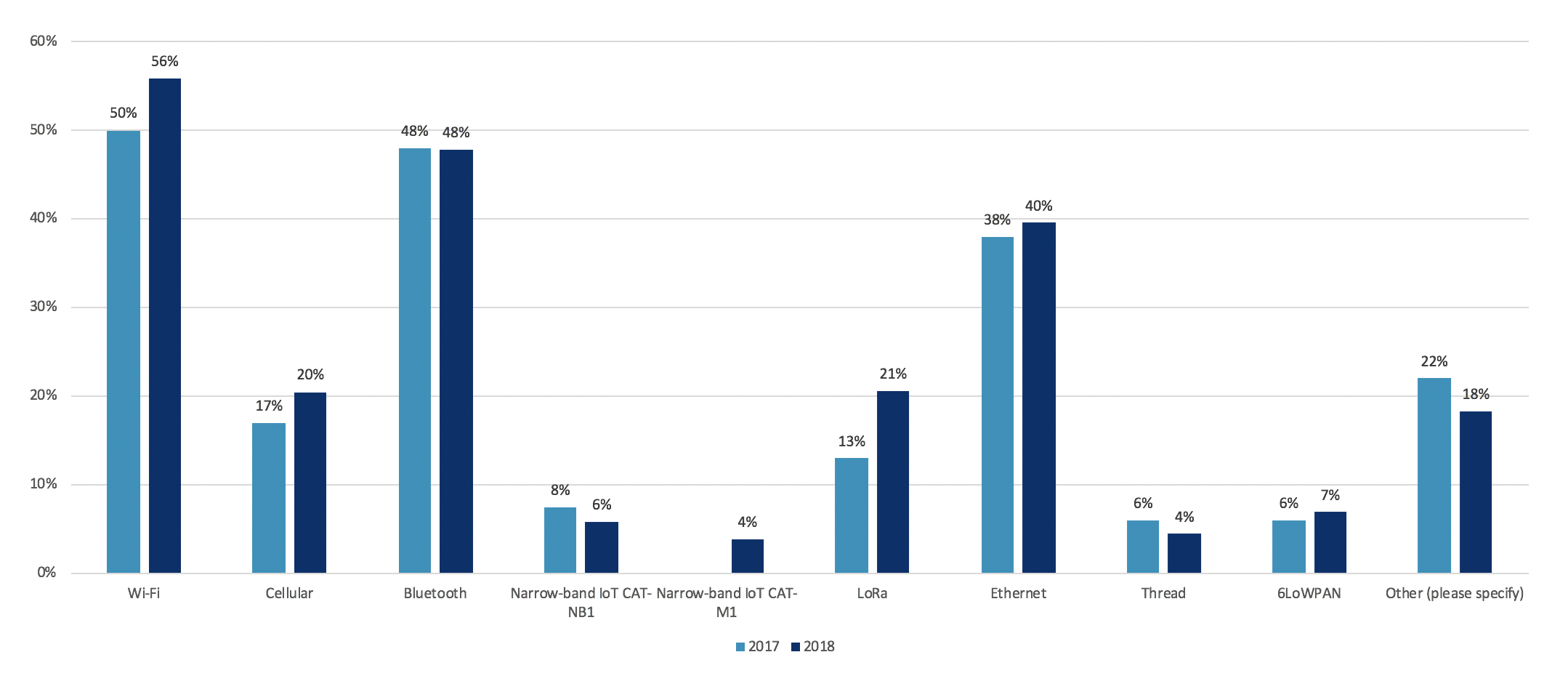
For the devices that use connectivity, mbed sees a very sharp rise of LoRa, now twice as big as the cellular LPWAN methods (Cat-M1 and NB-IoT) combined. Mbed always has had a big foothold in the LoRa community, and it has added a LoRaWAN stack to Mbed OS.

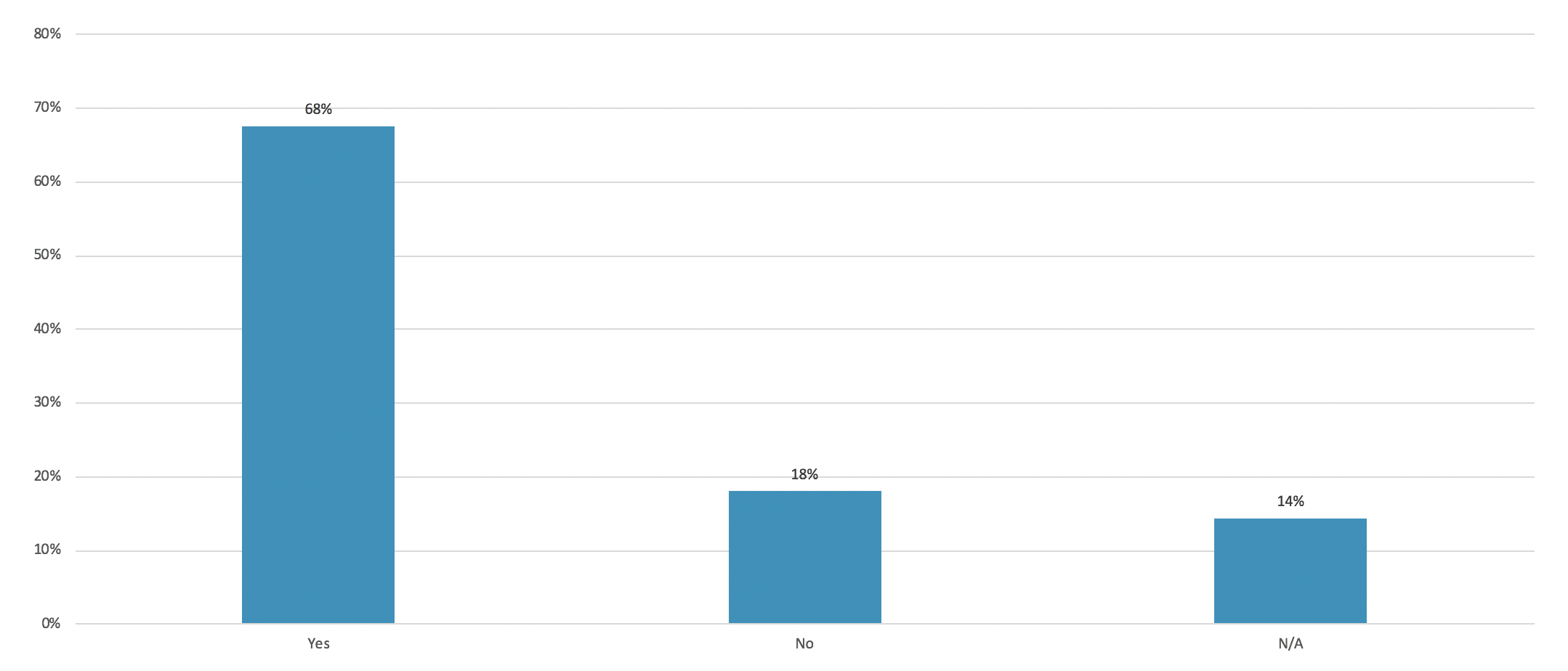
68% of respondents also indicated that security has become more important.

End markets and going to production
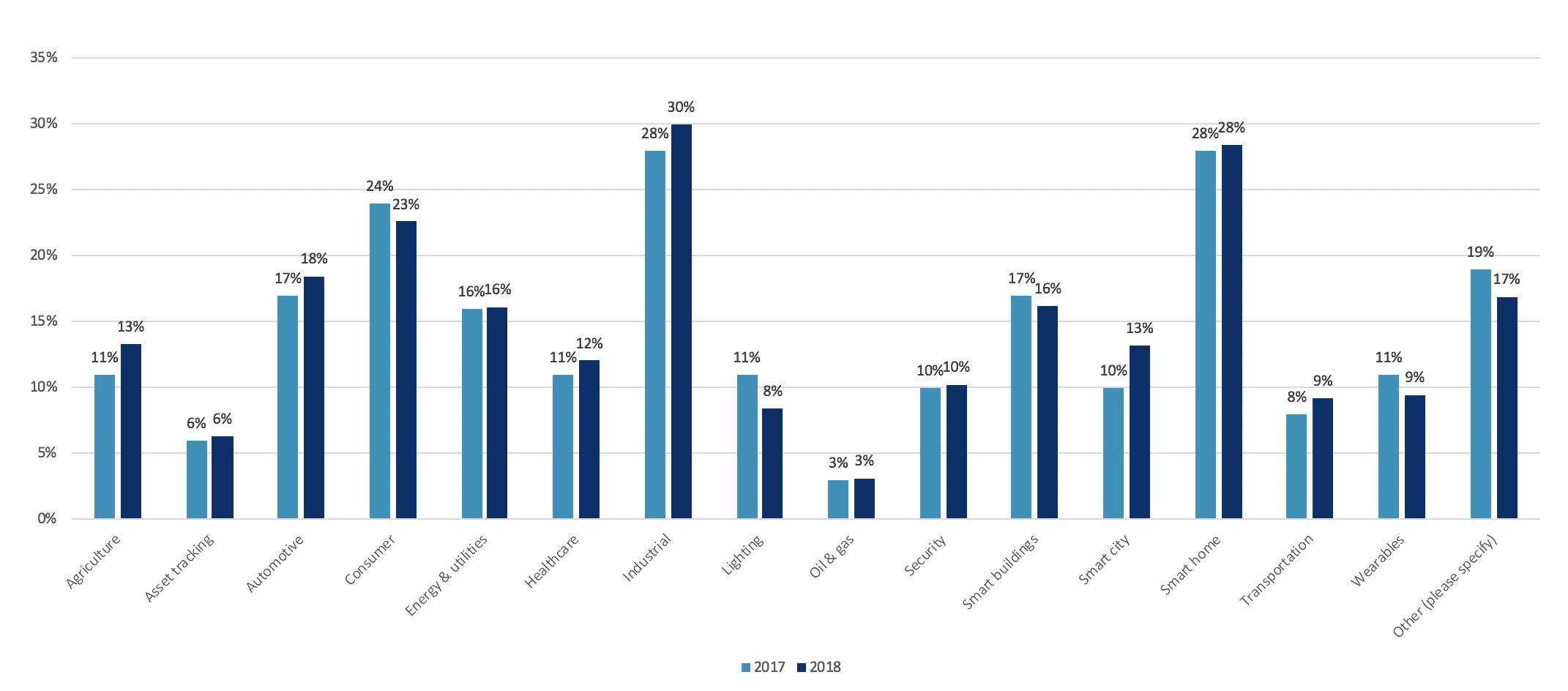
There weren’t a lot of changes in the end markets for which people develop. The industrial and smart home markets remain very strong, the wearables market is slowly dropping and the smart cities market is on the rise. There is a correlation between the growth of LPWANs and smart cities, so if the growth of LoRa, NB-IoT and CAT-M1 continues, it will be interesting to see whether smart cities adoption accelerates, as well.

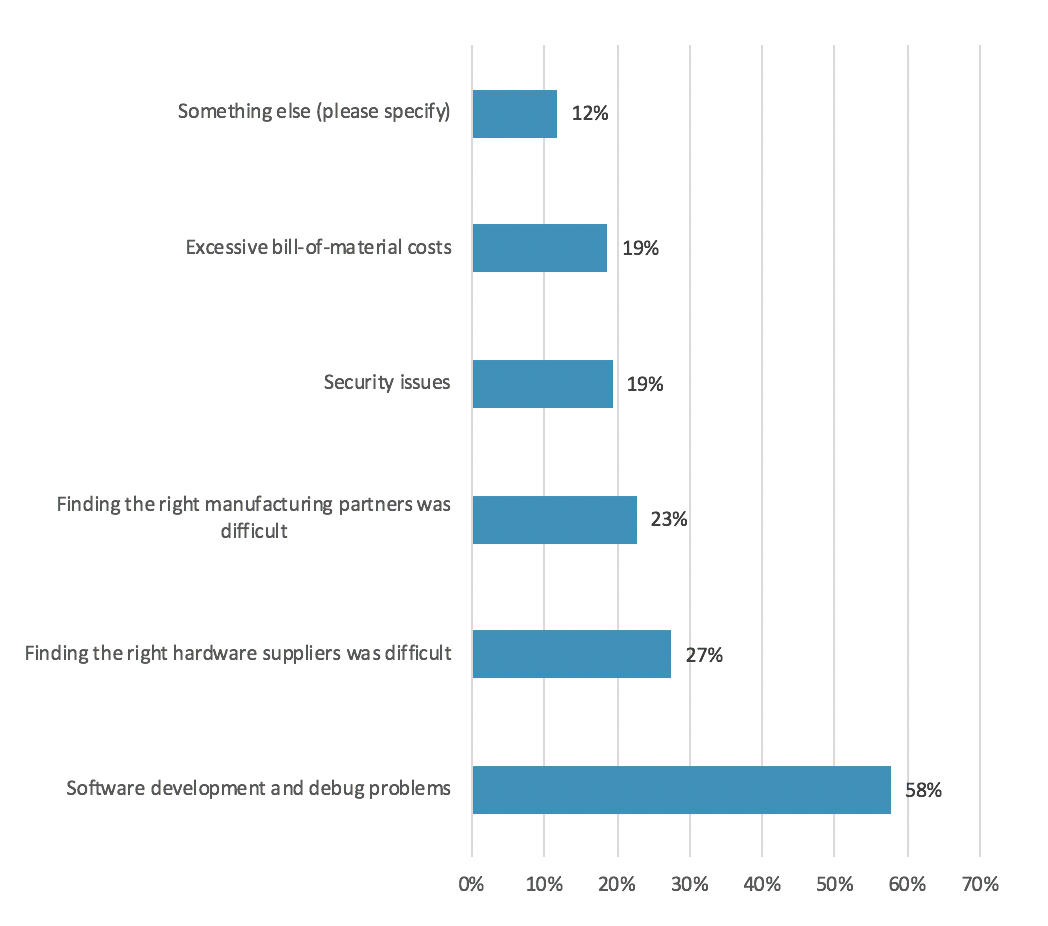
Of course, the only way for IoT devices to affect these end markets is for the device to make it to the market. 16% of users said that they’re currently shipping products, and 24% of respondents expect the product they're working on to go to production. Of the devices in production, respondents identified 'software development and debug problems' as the biggest issue during development. That’s probably not too surprising given that it's mostly developers responding to the survey.

Mbed OS 5 has now been on the market for almost two years, the past year has seen a resilient file system, better networking stacks, bootloader support and new, low power APIs. 
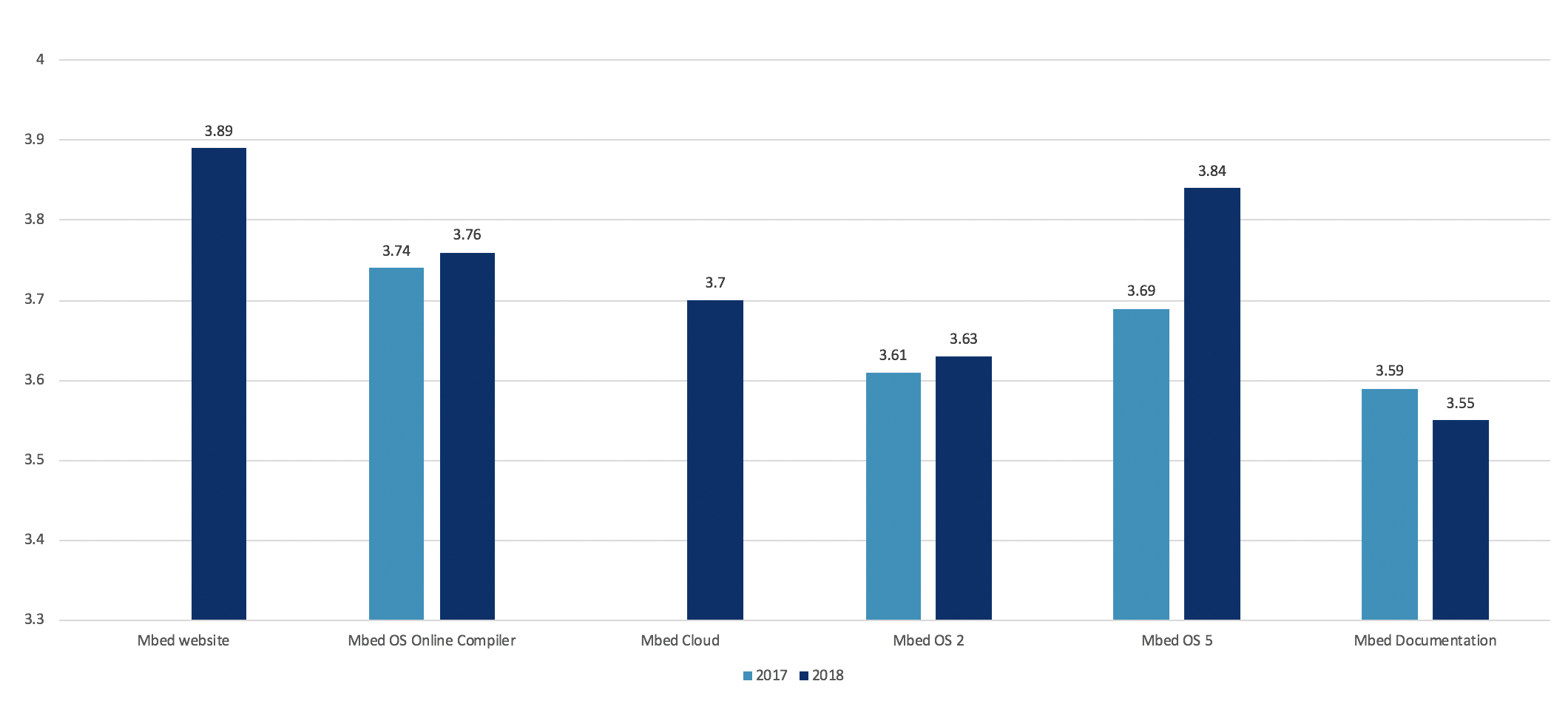
One negative point was the low score for documentation, and mbed says it will be working hard to improve the docs with new porting guides and architecture references as well as a general cleanup of old documentation.
Sunday, August 05, 2018
ST updates free embedded software for enhanced LoRaWAN
By Nick Flaherty www.flaherty.co.uk
STMicroelectronics has updated its its I-CUBE-LRWAN Expansion Package for the STM32 family of microcontrollers to cover the latest LoRaWAN 1.0.3 specifications from the LoRa-Alliance.
The I-CUBE-LRWAN expansion package consists of a set of libraries and application examples for the full portfolio of STM32 MCUs, including the ultra-low-power STM32L0 , STM32L1 , STM32L4 and STM32L4+ series microcontrollers operating in IoT end-devices. With security a growing concern among IoT developers, the libraries include a dedicated Application Programming Interface (API) to manage Secure Elements, such as the STSAFE-A product family, and enable a range of data-protection capabilities.
To increase application flexibility, the LoRaWAN 1.0.3 update added compatibility with Class B devices. This trades flexibility for power efficiency with three device classes for any IoT use cases operating on the unlicensed radiofrequency spectrum from 433MHz to 928MHz.
This upgraded I-CUBE-LRWAN package provides the drivers for the new sx126x Semtech radio and also supports the sx1261dvk1bas, sx1262dvk1cas and sx1262dvk1das shields. The package also includes an application suitable to run on NUCLEO-L053R8 , NUCLEO-L152RE , NUCLEO-L476RG and B-L072Z-LRWAN1 Discovery kits embedding the CMWX1ZZABZ-091 LoRa /Sigfox module from Murata. The package also supports a USI LoRaWAN technology module through the I-NUCLEO-LRWAN1 expansion board.
I-CUBE-LRWAN software can be downloaded free of charge from www.st.com/i-cube-lrwan
STMicroelectronics has updated its its I-CUBE-LRWAN Expansion Package for the STM32 family of microcontrollers to cover the latest LoRaWAN 1.0.3 specifications from the LoRa-Alliance.
The I-CUBE-LRWAN expansion package consists of a set of libraries and application examples for the full portfolio of STM32 MCUs, including the ultra-low-power STM32L0 , STM32L1 , STM32L4 and STM32L4+ series microcontrollers operating in IoT end-devices. With security a growing concern among IoT developers, the libraries include a dedicated Application Programming Interface (API) to manage Secure Elements, such as the STSAFE-A product family, and enable a range of data-protection capabilities.
To increase application flexibility, the LoRaWAN 1.0.3 update added compatibility with Class B devices. This trades flexibility for power efficiency with three device classes for any IoT use cases operating on the unlicensed radiofrequency spectrum from 433MHz to 928MHz.
This upgraded I-CUBE-LRWAN package provides the drivers for the new sx126x Semtech radio and also supports the sx1261dvk1bas, sx1262dvk1cas and sx1262dvk1das shields. The package also includes an application suitable to run on NUCLEO-L053R8 , NUCLEO-L152RE , NUCLEO-L476RG and B-L072Z-LRWAN1 Discovery kits embedding the CMWX1ZZABZ-091 LoRa /Sigfox module from Murata. The package also supports a USI LoRaWAN technology module through the I-NUCLEO-LRWAN1 expansion board.
I-CUBE-LRWAN software can be downloaded free of charge from www.st.com/i-cube-lrwan
Related stories:
Friday, August 03, 2018
Kontron buys open source networking software specialist
By Nick Flaherty www.flaherty.co.uk
In another move to vertical integration, embedded technology specialist Kontron has bought open networking software developer Inocybe Technologies
The acquisition strengthens the Kontron NFV network virtualisationm, software defined neetwokring (SDN) and Cloud Native strategies to target the multi-billion dollar ‘open software on open hardware’ market.
Inocybe is an expert in open source networking software and software-defined networks (SDN) from the datacentre to the edge, with OpenDaylight SDN controller expertise to Kontron's SYMKLOUD portfolio of white box hardware and integrated open source software. Kontron has been part of the machine to machine (M2M) and data centre market for over a decade and is increasingly moving up the value chain.
One reason for the deal is that Mathieu Lemay, the founder of Inocybe, is now chief strategy officer for Kontron's communications business.
“After many years at Inocybe, I am excited by the huge potential of this acquisition. By leveraging Kontron and S&T's significant hardware portfolio with Inocybe's activities across Open Networking Projects, this acquisition will help accelerate market adoption by providing the expected customer experience and quality,” said Lemay.
The deal secures two strategic objectives for Kontron: one, it bolsters its NFV and SDN offerings for telecoms, cable, and communications service providers (CSPs); and it expands an IT network operator customer base from which enterprises, the Internet of Things (IoT), and smart cities, among others, deploy open networking and hybrid cloud infrastructure.
“The go-to-market opportunities are enormous,” said Robert Courteau, General Manager of Kontron's communications business, highlighting the need to include higher levels of software with the embedded hardware. “The open source software on open hardware strategy is rapidly gaining adoption among a broad base of service providers and private cloud operators – for both compute and networking. With Inocybe, we can now cater to both scenarios. We are certainly excited about how this will unlock our customers’ potential to freely choose what, when and how they deploy new and revenue-rich services.”
“The reality of 5G, IoT and cloud is driving tremendous momentum toward modernized networks that can respond to surging network demands and process data at the edge,” said John Zannos, General Manager at Inocybe. “Open software, like SDN, and open hardware are bringing the speed and flexibility needed for these next-generation networks to service providers and enterprise. Together, Inocybe and Kontron can enable networks to be open and automated, and the impact is transformative, reducing cost and creating new value through new services and better user experience.”
According to ACG Research, the potential for open source in the telecom service provider market is predicted to be worth $11bn by 2023, a fraction of the market of IoT. Rrevenue for the datacenter and enterprise segments – specifically, from in-use SDN capable Ethernet switches – is expected to reach $13.5B by 2021, as reported by IHS Markit.
“By deploying SDN, service providers can get the most out of their hardware and software investments. SDN cost-effectively allows operators to provision, reconfigure bandwidth allocation, boost computing power and autonomy, and improve security within IoT networks,” said Christopher R. Wilder, senior analyst for IoT at Moor Insights & Strategy. “Kontron’s acquisition of Inocybe demonstrates their commitment to delivering an open, viable solution that is secure, scalable, and integrated from the datacenter to the edge.”
“Open Source Networking projects are becoming fundamental building blocks for automated and disaggregated networks. We are excited to see innovators in the areas of open software and hardware join forces to create end-to-end solutions,” said Arpit Joshipura, General Manager, Networking & Orchestration at the Linux Foundation. “As a Gold Member of LF Networking, Inocybe has been very active in the community in several projects and we are looking forward to even more participation after joining forces with Kontron.”
The Kontron SYMKLOUD portfolio features a range of rack-level converged hardware platforms plus white box solutions ideally suited to be one of the first open network operating system (NOS) switches managed by an ODL SDN controller. As part of its mission to simplify the integration of open source technologies, Kontron actively markets two fully integrated ‘out-of-the-box’ cloud solutions for deploying OpenStack and Kubernetes.
www.inocybe.com
“The go-to-market opportunities are enormous,” said Robert Courteau, General Manager of Kontron's communications business, highlighting the need to include higher levels of software with the embedded hardware. “The open source software on open hardware strategy is rapidly gaining adoption among a broad base of service providers and private cloud operators – for both compute and networking. With Inocybe, we can now cater to both scenarios. We are certainly excited about how this will unlock our customers’ potential to freely choose what, when and how they deploy new and revenue-rich services.”
“The reality of 5G, IoT and cloud is driving tremendous momentum toward modernized networks that can respond to surging network demands and process data at the edge,” said John Zannos, General Manager at Inocybe. “Open software, like SDN, and open hardware are bringing the speed and flexibility needed for these next-generation networks to service providers and enterprise. Together, Inocybe and Kontron can enable networks to be open and automated, and the impact is transformative, reducing cost and creating new value through new services and better user experience.”
According to ACG Research, the potential for open source in the telecom service provider market is predicted to be worth $11bn by 2023, a fraction of the market of IoT. Rrevenue for the datacenter and enterprise segments – specifically, from in-use SDN capable Ethernet switches – is expected to reach $13.5B by 2021, as reported by IHS Markit.
“By deploying SDN, service providers can get the most out of their hardware and software investments. SDN cost-effectively allows operators to provision, reconfigure bandwidth allocation, boost computing power and autonomy, and improve security within IoT networks,” said Christopher R. Wilder, senior analyst for IoT at Moor Insights & Strategy. “Kontron’s acquisition of Inocybe demonstrates their commitment to delivering an open, viable solution that is secure, scalable, and integrated from the datacenter to the edge.”
“Open Source Networking projects are becoming fundamental building blocks for automated and disaggregated networks. We are excited to see innovators in the areas of open software and hardware join forces to create end-to-end solutions,” said Arpit Joshipura, General Manager, Networking & Orchestration at the Linux Foundation. “As a Gold Member of LF Networking, Inocybe has been very active in the community in several projects and we are looking forward to even more participation after joining forces with Kontron.”
The Kontron SYMKLOUD portfolio features a range of rack-level converged hardware platforms plus white box solutions ideally suited to be one of the first open network operating system (NOS) switches managed by an ODL SDN controller. As part of its mission to simplify the integration of open source technologies, Kontron actively markets two fully integrated ‘out-of-the-box’ cloud solutions for deploying OpenStack and Kubernetes.
www.inocybe.com
Related stories:
- Kontron to enter ARM PC and board market with new format (2011)
- Kontron aims to quickly connect machines to the Cloud with Atom-based M2M dev kit (2011)
- Broadcom deal sees return of vertical integration
- Amazon pushes the trend for vertical integration
- Amazon and ST launch IoT Node-to-Cloud implementation for FreeRTOS
Thursday, August 02, 2018
Top posts for July on the Embedded Blog
By Nick Flaherty www.flaherty.co.uk
Tuya's $200m deal to boost AI for the IoT has been a notable story for the month, highlighting the importance of China and its e-commercie giant, Alibaba. This will be a running story for a good while as the AliOS operating system becomes a more dominant part of the IoT landscape. But it is ST's deal buying an embedded graphics company, Draupner, that is the top story.
Broadcom's deal with CA marks a key trend to vertical integration, which is reinforced just today with ARM's deal to buy Treasure Data, another enterprise software developer. Honeywell spinning out its smart home business has also seen a lot of interest.
Tuya's $200m deal to boost AI for the IoT has been a notable story for the month, highlighting the importance of China and its e-commercie giant, Alibaba. This will be a running story for a good while as the AliOS operating system becomes a more dominant part of the IoT landscape. But it is ST's deal buying an embedded graphics company, Draupner, that is the top story.
Broadcom's deal with CA marks a key trend to vertical integration, which is reinforced just today with ARM's deal to buy Treasure Data, another enterprise software developer. Honeywell spinning out its smart home business has also seen a lot of interest.
|
ARM's $600m IoT deal boosts vertical integration
By Nick Flaherty www.flaherty.co.uk

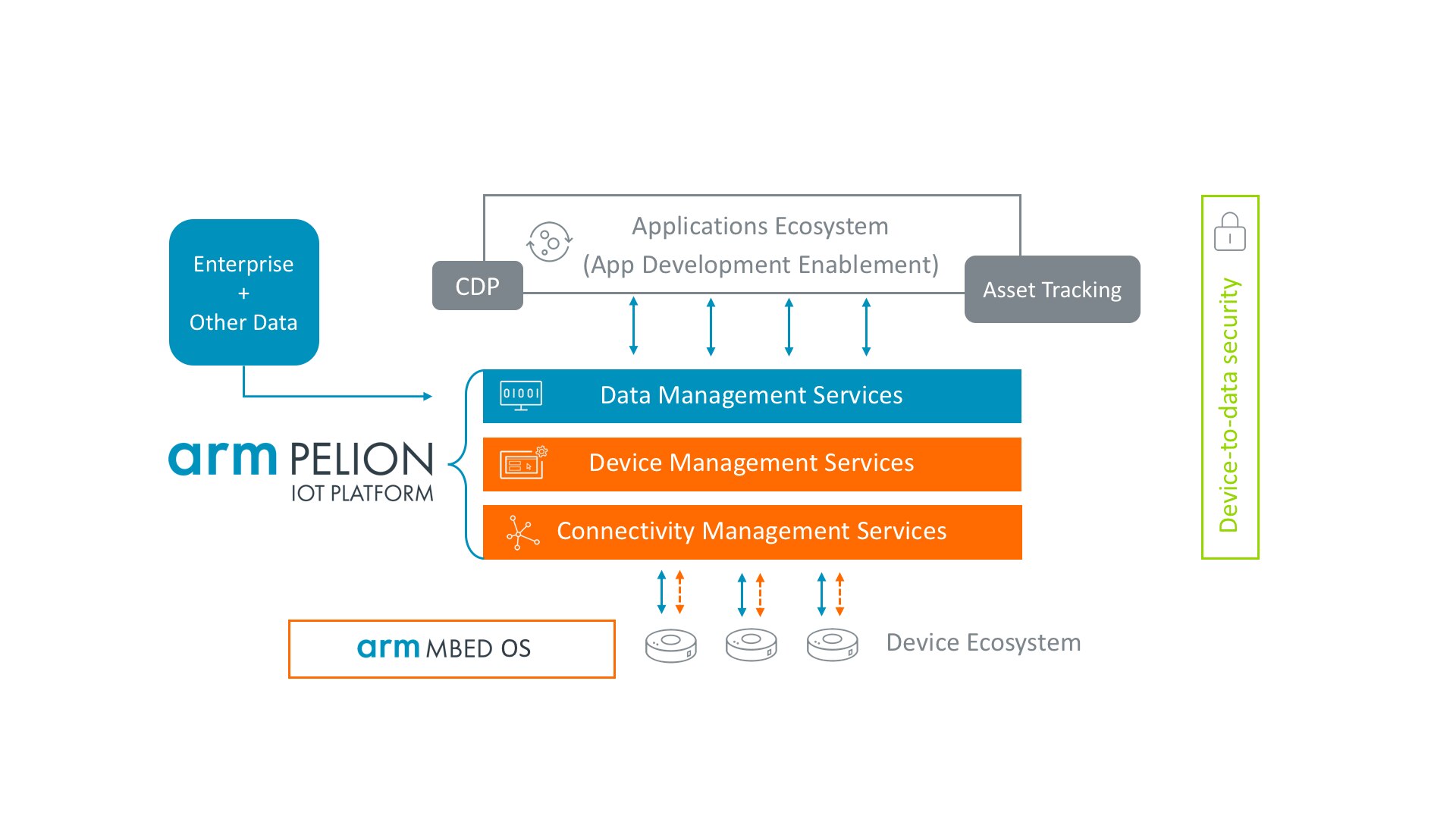
Pelion is designed to work on both public and private clouds, on-premises and in hybrid environments, delivering flexibility in IoT system architectures. It also supports unified billing that lowers infrastructure costs, increases operational efficiency, and eliminates integration headaches through device management, connectivity that includes eSIM secure identification and data management. This provides analysis of trusted data, from individual devices to enterprise-wide big data deployments, including third-party data (works horizontally across apps and use-cases).
ARM has learned from its ecosystem of IP and chip makers. Now Pelion has an ecosystem of 140+ partners spanning silicon, mobile, network operators (MNOs), channel, technology providers and more. It incorporates much of the technology that Treasure Data’s cloud-based Enterprise Customer Data Platform (CDP) uses, and so the integration pre-dates the Broadcom deal.
Arm is to buy an enterprise data management company, Treasure Data, in a $600m deal that allows it to provide a device-to-data IoT platform.
The deal follows chip maker (and ARM licensee) Broadcom's acquisition of enterprise software house CA in a similar move back to vertical integration.
For ARM, it is the combination of Treasure Data, Stream and Arm Mbed Cloud that forms an end-to-end IoT connectivity, device and data management platform called Pelion that already handles 50 trillion records a day.
IDC predicts that 163 zettabytes (ZB) of data will be created or copied by 2025. That’s ten times the 16.1ZB of data generated as of 2016. However, according to a 2018 commissioned study conducted by Forrester Consulting on behalf of Arm, 67 percent of organizations face challenges with data silos and more than half struggle with data preparation.
As we are constantly highlighting, the ability to deal with this volume of data and complexity requires more sophisticated systems. The Treasure Data deal provides the ability to aggregate and translate massive volumes of scattered and siloed data. The company’s technology deals with data from any source - CRM, ecommerce systems, edge, IoT devices, and any third-party data. The result for customers is an ability to derive meaningful and actionable insights from any disparate data mix.

Pelion is designed to work on both public and private clouds, on-premises and in hybrid environments, delivering flexibility in IoT system architectures. It also supports unified billing that lowers infrastructure costs, increases operational efficiency, and eliminates integration headaches through device management, connectivity that includes eSIM secure identification and data management. This provides analysis of trusted data, from individual devices to enterprise-wide big data deployments, including third-party data (works horizontally across apps and use-cases).
ARM has learned from its ecosystem of IP and chip makers. Now Pelion has an ecosystem of 140+ partners spanning silicon, mobile, network operators (MNOs), channel, technology providers and more. It incorporates much of the technology that Treasure Data’s cloud-based Enterprise Customer Data Platform (CDP) uses, and so the integration pre-dates the Broadcom deal.
Treasure Data’s platform handles two million events a second and processes hundreds of thousands of queries and 50 trillion records a day.
Related stories:
Alibaba teams with Infineon for AliOS IoT operating system
By Nick Flaherty www.flaherty.co.uk
Highlighting the growing influence of the cloud service of Chinese e-commerce giant Alibaba, Infineon Technologies is using the service for the Internt of Things (IoT) and industrial automation in smart citites.
The Memorandum of Understanding with the Alibaba Cloud Computing Company (Alibaba Cloud) covers the joint promotion of IoT applications in smart life and smart industry for the digital upgrade of Chinese enterprises and cities using the AliOS Things IoT operating system.
Highlighting the growing influence of the cloud service of Chinese e-commerce giant Alibaba, Infineon Technologies is using the service for the Internt of Things (IoT) and industrial automation in smart citites.
The Memorandum of Understanding with the Alibaba Cloud Computing Company (Alibaba Cloud) covers the joint promotion of IoT applications in smart life and smart industry for the digital upgrade of Chinese enterprises and cities using the AliOS Things IoT operating system.
This acts as a direct challenge to Amazon, which is using FreeRTOS for its cloud-to-node IoT implementations. Smart equipment supplier Tuya also uses Alibaba Cloud.
Infineon will rely on its own core technology and service advantages in the field of IoT to collaborate with Alibaba Cloud on AliOS Things and provide technical services.
As security is also a key requirement, the two look at the planning, implementation and security standards of the IoT, enabling SMEs and individuals to deploy and access Alibaba Cloud in a low-cost, highly reliable manner.
An interesting element, and new for Infineon, is that the two companies also plan to collaborate on e-commerce channels.
Based on this, both parties will use Alibaba Cloud's integration capabilities and successful experiences in IoT and work together to create advanced and secure IoT solutions. This will help upgrade and transform the smart digitalization of SMEs, allowing them to manage the entire production process through digital means.
“The construction and improvement of the IoT ecosystem requires gathering the advantageous resources and power of all parties,” said Wei Ku, Vice President of Alibaba Group and General Manager of Alibaba Cloud IoT. “This partnership combines Alibaba Cloud's capabilities in operating systems with Infineon's semiconductor technology solutions. We believe that this will effectively promote the deployment of IoT in smart industries.”
“As the world's leading semiconductor manufacturer, Infineon is committed to combining our advanced IoT semiconductor solutions with local experience,” said Andreas Urschitz, President of the Power Management & Multimarket Division at Infineon, “This partnership with Alibaba marks our efforts in this field.”
“Sustainable growth in mainland China is one of Infineon's most important development strategies, and is also our long-term goal in the Chinese market,” said David Poon, Vice President of Power Management & Multimarket, Infineon Greater China. “We are very pleased to work with leading companies like Alibaba Cloud, and to join in creating an IoT service platform that meets the needs of the local market, helps companies achieve digitalization, and provides a driving engine for innovation and the development of smart cities in China.”
Alibaba Cloud Computing Ltd. (www.aliyun.com) was founded in 2009 and operates in over 200 countries and regions. In January 2017, Alibaba Cloud became the designated global cloud service provider of the Olympic Games. As of August 2017, Alibaba earnings data showed that users who use the Alibaba Cloud payment service reached 1.011bn.
Based on this, both parties will use Alibaba Cloud's integration capabilities and successful experiences in IoT and work together to create advanced and secure IoT solutions. This will help upgrade and transform the smart digitalization of SMEs, allowing them to manage the entire production process through digital means.
“The construction and improvement of the IoT ecosystem requires gathering the advantageous resources and power of all parties,” said Wei Ku, Vice President of Alibaba Group and General Manager of Alibaba Cloud IoT. “This partnership combines Alibaba Cloud's capabilities in operating systems with Infineon's semiconductor technology solutions. We believe that this will effectively promote the deployment of IoT in smart industries.”
“As the world's leading semiconductor manufacturer, Infineon is committed to combining our advanced IoT semiconductor solutions with local experience,” said Andreas Urschitz, President of the Power Management & Multimarket Division at Infineon, “This partnership with Alibaba marks our efforts in this field.”
“Sustainable growth in mainland China is one of Infineon's most important development strategies, and is also our long-term goal in the Chinese market,” said David Poon, Vice President of Power Management & Multimarket, Infineon Greater China. “We are very pleased to work with leading companies like Alibaba Cloud, and to join in creating an IoT service platform that meets the needs of the local market, helps companies achieve digitalization, and provides a driving engine for innovation and the development of smart cities in China.”
Alibaba Cloud Computing Ltd. (www.aliyun.com) was founded in 2009 and operates in over 200 countries and regions. In January 2017, Alibaba Cloud became the designated global cloud service provider of the Olympic Games. As of August 2017, Alibaba earnings data showed that users who use the Alibaba Cloud payment service reached 1.011bn.
Related stories:
- Amazon and ST launch IoT Node-to-Cloud implementation for FreeRTOS
- Updated: Amazon pushes the trend for vertical integration
- Software Defined FPGAs launch on Amazon Web Services
Wednesday, August 01, 2018
UltraSoC teams with SEGGER's J-Link on debug
By Nick Flaherty www.flaherty.co.uk
Deeply embedded debug IP developer UltraSoc has teamed up with SEGGER to provide much more detailed embedded development tools.
UltraSoC will support the SEGGER J-Link debug probes within UltraSoC’s integrated system on chip (SoC) monitoring and analytics environment. These are amongst the industry’s most widely-used and support the debug of popular processor platforms including RISC-V, and both current and legacy Arm cores. The partnership gives SoC developers easy access to J-Link via a single interface when debugging using UltraSoC’s flexible on-chip monitoring and analytics infrastructure.
The UltraSoC IP provides an open and accessible vendor-agnostic environment that suits the preferences of individual engineers in terms of processor architecture, development tools and hardware. In supporting the widest range of platforms and tools within its framework, UltraSoC opens the advantages of its embedded analytics platform to more designers, who benefit from faster development time, accelerated debug, and reduced risks and costs.
The integration of full support for SEGGER’s J-Link probes means that probe configuration and debug monitoring can take place under a single environment. In using UltraSoC’s embedded analytics, designers will get insights into the CPU’s operation, both during the design process and later in-field, as part of the wider system design.
UltraSoC CEO Rupert Baines commented,
Deeply embedded debug IP developer UltraSoc has teamed up with SEGGER to provide much more detailed embedded development tools.
UltraSoC will support the SEGGER J-Link debug probes within UltraSoC’s integrated system on chip (SoC) monitoring and analytics environment. These are amongst the industry’s most widely-used and support the debug of popular processor platforms including RISC-V, and both current and legacy Arm cores. The partnership gives SoC developers easy access to J-Link via a single interface when debugging using UltraSoC’s flexible on-chip monitoring and analytics infrastructure.
The UltraSoC IP provides an open and accessible vendor-agnostic environment that suits the preferences of individual engineers in terms of processor architecture, development tools and hardware. In supporting the widest range of platforms and tools within its framework, UltraSoC opens the advantages of its embedded analytics platform to more designers, who benefit from faster development time, accelerated debug, and reduced risks and costs.
The integration of full support for SEGGER’s J-Link probes means that probe configuration and debug monitoring can take place under a single environment. In using UltraSoC’s embedded analytics, designers will get insights into the CPU’s operation, both during the design process and later in-field, as part of the wider system design.
UltraSoC CEO Rupert Baines commented,
“Chip designers, like all engineers, want to be able to select the best tools for the job," said Rupert baines, CEO of UltraSoC. "We are partnering with best-in-class hardware and software vendors to ensure our mutual customers can maximize their potential for productivity and innovation. As one of the leading names in our industry, SEGGER fits perfectly within that strategy. As we support more and more customers on the open-source RISC-V platform, the need for flexibility and openness increases significantly. The industry is changing, and collaboration across the ecosystem is now more essential than ever.”
Harald Schober, Director Sales/Marketing at SEGGER, adds: “We are delighted to be working with UltraSoC – we share the commitment to provide the best tools to support designers of the key proprietary and open-source CPU architectures. Our two companies already share customers and we expect this to grow rapidly on RISC-V as well as other platforms. Enabling access to the SEGGER J-Link functionality from within the UltraSoC environment makes perfect sense.”
SEGGER introduced the J-Link to the Arm market in 2004 and became the supplier of the industry standard debug probe for Arm developers, and has recently added RISC-V support. In working across different platforms, in most cases the J-Link only requires a minor software/firmware update: there is no need to buy a new J-Link probe or a new license when switching to a different supported CPU family or tool-chain. All J-Link models are fully compatible, come with unlimited free upgrades, and users upgrading to a higher-end model can simply plug-and-play.
Harald Schober, Director Sales/Marketing at SEGGER, adds: “We are delighted to be working with UltraSoC – we share the commitment to provide the best tools to support designers of the key proprietary and open-source CPU architectures. Our two companies already share customers and we expect this to grow rapidly on RISC-V as well as other platforms. Enabling access to the SEGGER J-Link functionality from within the UltraSoC environment makes perfect sense.”
SEGGER introduced the J-Link to the Arm market in 2004 and became the supplier of the industry standard debug probe for Arm developers, and has recently added RISC-V support. In working across different platforms, in most cases the J-Link only requires a minor software/firmware update: there is no need to buy a new J-Link probe or a new license when switching to a different supported CPU family or tool-chain. All J-Link models are fully compatible, come with unlimited free upgrades, and users upgrading to a higher-end model can simply plug-and-play.
Related stories:
Subscribe to:
Posts (Atom)